
what is Social Media Marketing
Social Media Marketing (SMM): A Complete Guide for Businesses
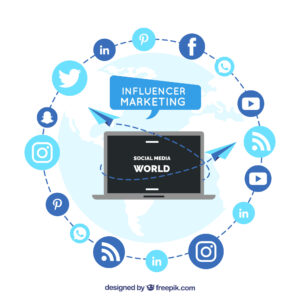
what is Social Media Marketing In today’s digital world, social media is more than just a way to connect with friends—it’s a powerful tool for businesses to grow. Social Media Marketing (SMM) involves using platforms like Facebook, Instagram, Twitter, LinkedIn, TikTok, and YouTube to promote products or services, build brand awareness, and engage with customers.
what is Social Media Marketing is Important
-
Increases Brand Visibility: Social media allows businesses to reach millions of users worldwide.
-
Drives Website Traffic: Sharing posts and links can bring potential customers directly to your website.
-
Generates Leads and Sales: Targeted ads help businesses reach the right audience, increasing sales opportunities.
-
Builds Customer Loyalty: Engaging with your audience creates trust and long-term relationships.
Key Elements of Social Media Marketing
-
Content Creation: Sharing posts, videos, infographics, and blogs that attract and engage the audience.
-
Community Engagement: Replying to comments and messages to maintain a strong relationship with followers.
-
Paid Advertising: Running campaigns to reach specific demographics and expand your reach.
-
Analytics & Optimization: Tracking metrics like reach, clicks, and conversions to improve strategies over time.
Tips for Effective Social Media Marketing
-
Post regularly and consistently.
-
Use high-quality images and videos.
-
Understand your audience and what content they like.
-
Run ads to target potential customers.
-
Monitor performance and adjust your strategy.
Types of Social Media Marketing
Social Media Marketing can be divided into several types depending on how businesses use social platforms to engage their audience and promote products or services:
1. Organic Social Media Marketing
-
Definition: Sharing content without paid promotion.
-
Examples: Posting photos, videos, stories, and updates on Facebook, Instagram, or LinkedIn.
-
Goal: Build a community, increase engagement, and grow brand awareness naturally.
2. Paid Social Media Marketing
-
Definition: Running paid advertisements on social media platforms.
-
Examples: Facebook Ads, Instagram Sponsored Posts, LinkedIn Ads, TikTok Ads.
-
Goal: Reach a larger or targeted audience, generate leads, and drive conversions.
3. Influencer Marketing
-
Definition: Collaborating with social media influencers to promote your brand.
-
Examples: An Instagram influencer promoting a fashion brand or a YouTuber reviewing a product.
-
Goal: Leverage the influencer’s audience to increase brand trust and awareness.
4. Content Marketing on Social Media
-
Definition: Sharing valuable and relevant content to attract and retain followers.
-
Examples: Blogs, infographics, tutorials, videos, podcasts, or live sessions.
-
Goal: Educate, entertain, and engage the audience to build loyalty.
5. Social Media Engagement Marketing
-
Definition: Actively interacting with followers to build relationships.
-
Examples: Responding to comments, messages, polls, quizzes, or running contests.
-
Goal: Strengthen customer relationships and improve brand loyalty.
6. Social Commerce
-
Definition: Selling products directly through social media platforms.
-
Examples: Instagram Shop, Facebook Marketplace, TikTok Shop.
-
Goal: Simplify the buying process and drive sales directly from social l platforms.
Social Media Marketing Works
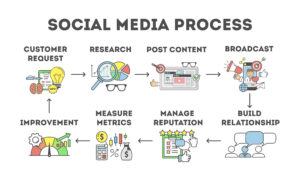
Social Media Marketing works by using social platforms strategically to connect with your audience, promote your brand, and drive business goals. Here’s a step-by-step breakdown:
1. Define Your Goals
-
Decide what you want to achieve with social media, such as:
-
Increasing brand awareness
-
Driving website traffic
-
Generating leads or sales
-
Building customer loyalty
-
2. Know Your Audience
-
Identify your target audience:
-
Age, gender, location, interests, and online behavior
-
-
Understanding your audience helps you create content they’ll engage with.
3. Choose the Right Platforms
-
Not all platforms fit every business. Examples:
-
Instagram and TikTok – visuals and short videos
-
LinkedIn – B2B marketing and professional audience
-
Facebook – broad audience, ads, and community building
-
4. Create and Share Content
-
Types of content:
-
Posts, images, videos, stories, reels, blogs, infographics
-
-
Your content should be:
-
Engaging, informative, and aligned with your brand
-
5. Engage With Your Audience
-
Respond to comments and messages
-
Host polls, quizzes, or live sessions
-
Build a community and strengthen relationships
6. Run Paid Campaigns (Optional)
-
Use social media ads to reach a wider or targeted audience
-
Examples: Facebook Ads, Instagram Sponsored Posts, LinkedIn Ads
7. Analyze and Optimize
-
Track key metrics:
-
Reach, likes, shares, clicks, conversions
-
-
Analyze results and adjust strategy for better performance
Advantages of Social Media Marketing (SMM)

-
Increases Brand Awareness
-
Social media allows businesses to reach a large audience and make their brand more visible.
-
Cost-Effective Marketing
-
Organic posts are free, and paid campaigns are often cheaper than traditional advertising methods.
-
Direct Customer Engagement
-
Businesses can interact with customers through comments, messages, polls, and live sessions.
-
Targeted Advertising
-
Paid campaigns can target specific audiences based on age, location, interests, and behavior.
-
Drives Website Traffic
-
Posts, links, and ads can guide users directly to your website, blog, or online store.
-
Generates Leads and Sales
-
Social media helps convert followers into customers through targeted offers and campaigns.
-
Builds Brand Loyalty
-
Regular engagement and valuable content create trust and long-term relationships with customers.
-
Provides Valuable Insights
-
Analytics tools show how users interact with your content, helping you improve strategies.
-
Supports Viral Marketing
-
Engaging content can be shared widely, increasing brand reach organically.
Conclusion
Social Media Marketing is no longer optional for businesses—it’s essential. With the right strategy, businesses can increase visibility, attract new customers, and build lasting relationships with their audience. Whether you’re a small business or a large company, SMM can help you grow online and stay ahead of competitors.